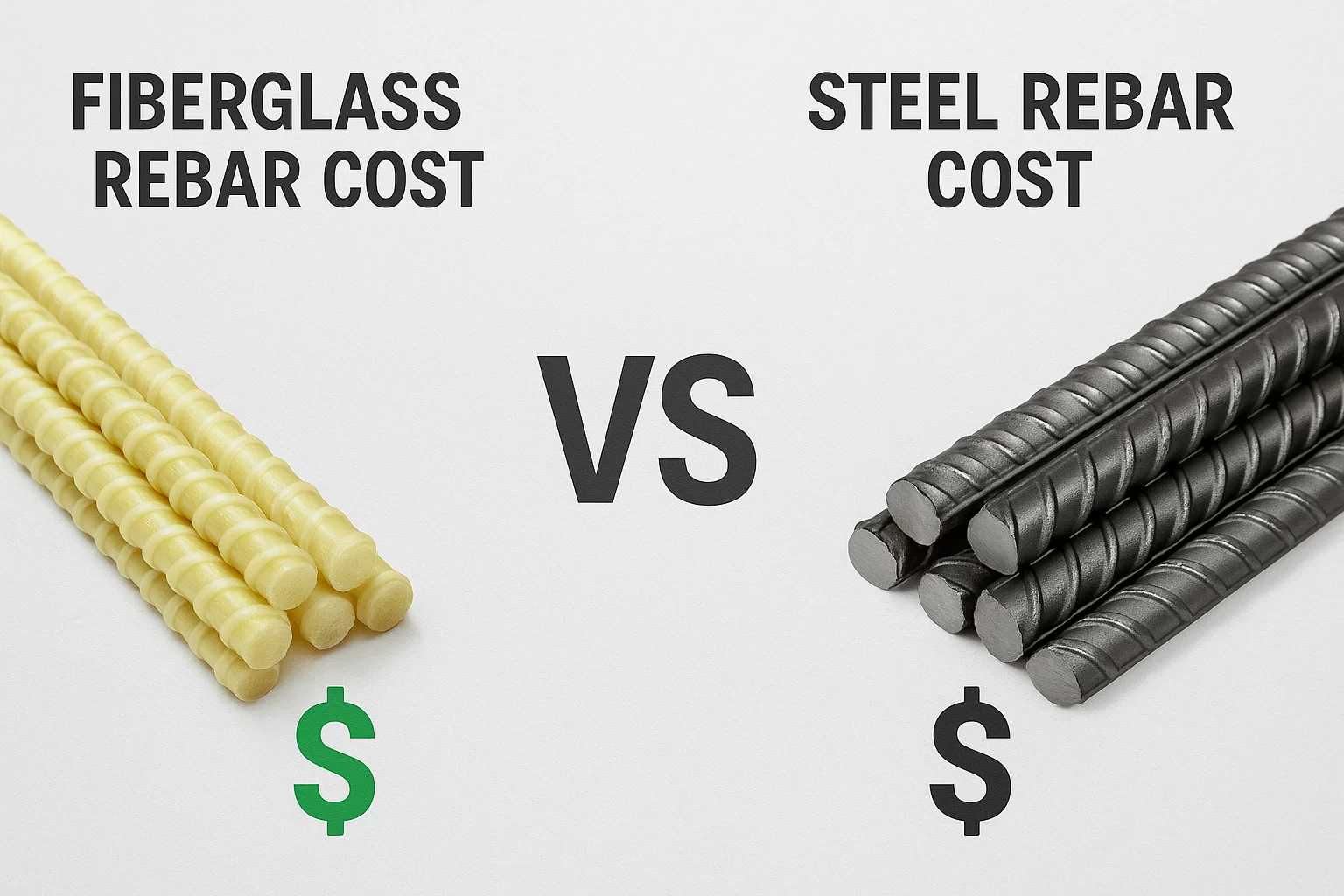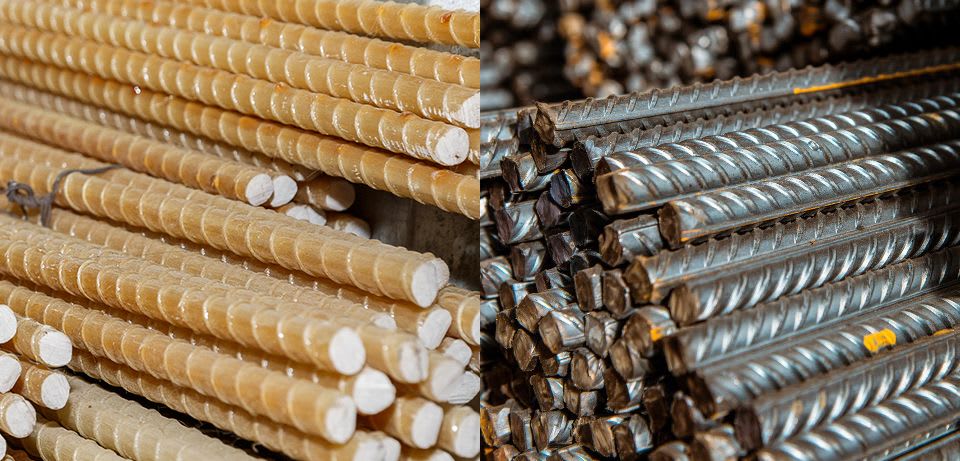
When planning a construction project, cost is always a primary consideration. Traditionally, steel rebar has been the go-to choice, often appearing to be the more "affordable" option upfront. However, in today's dynamic construction landscape, a deeper look at the lifetime cost of materials reveals a different story, especially when considering Glass Fiber Reinforced Polymer (GFRP) rebars.
It's time to move beyond the initial price tag and understand the long-term value that GFRP brings to your investment.
The Hidden Costs of Steel Rebar
While steel rebar might seem cheaper at first glance, it comes with several inherent challenges that translate into significant long-term expenses:
1.Corrosion: Steel rusts when exposed to moisture, chlorides, and harsh chemicals. This corrosion leads to expansion, cracking of the concrete, and ultimately, structural degradation.
2.Maintenance & Repair: To combat corrosion, steel-reinforced structures often require costly and frequent maintenance, including patching, crack repair, and even full rebar replacement over their lifespan. These interventions disrupt operations and add substantial unforeseen expenses.
3.Shorter Service Life: Due to corrosion, steel-reinforced concrete structures in aggressive environments typically have a shorter service life, necessitating earlier and more expensive rehabilitation or replacement.
The Lifetime Value of GFRP Rebar
GFRP rebar, while sometimes having a slightly higher initial material cost, offers a compelling value proposition when you consider the entire lifecycle of your structure:
1.Zero Corrosion, Zero Rust: GFRP is inherently non-corrosive. This means no rust, no spalling, and no structural weakening due to environmental factors. This eliminates the largest hidden cost associated with steel.
2.Minimal Maintenance, Maximum Savings: Because GFRP doesn't rust, structures reinforced with it require significantly less maintenance and repair. This translates to substantial savings on labor, materials, and operational downtime over decades.
3.Extended Service Life: GFRP-reinforced concrete structures can boast a design life of 75-100 years or more, even in the most aggressive environments. This extended durability means your investment lasts much longer, deferring costly replacements far into the future.
4.Faster, Easier Installation: GFRP is up to four times lighter than steel. This reduces transportation costs, makes handling on-site easier, and can significantly speed up installation times, leading to lower labor costs during construction.
5. Reduced Carbon Footprint: Beyond direct costs, GFRP contributes to sustainability. Its longer lifespan means fewer materials are consumed over time, and its lighter weight reduces transportation emissions.