
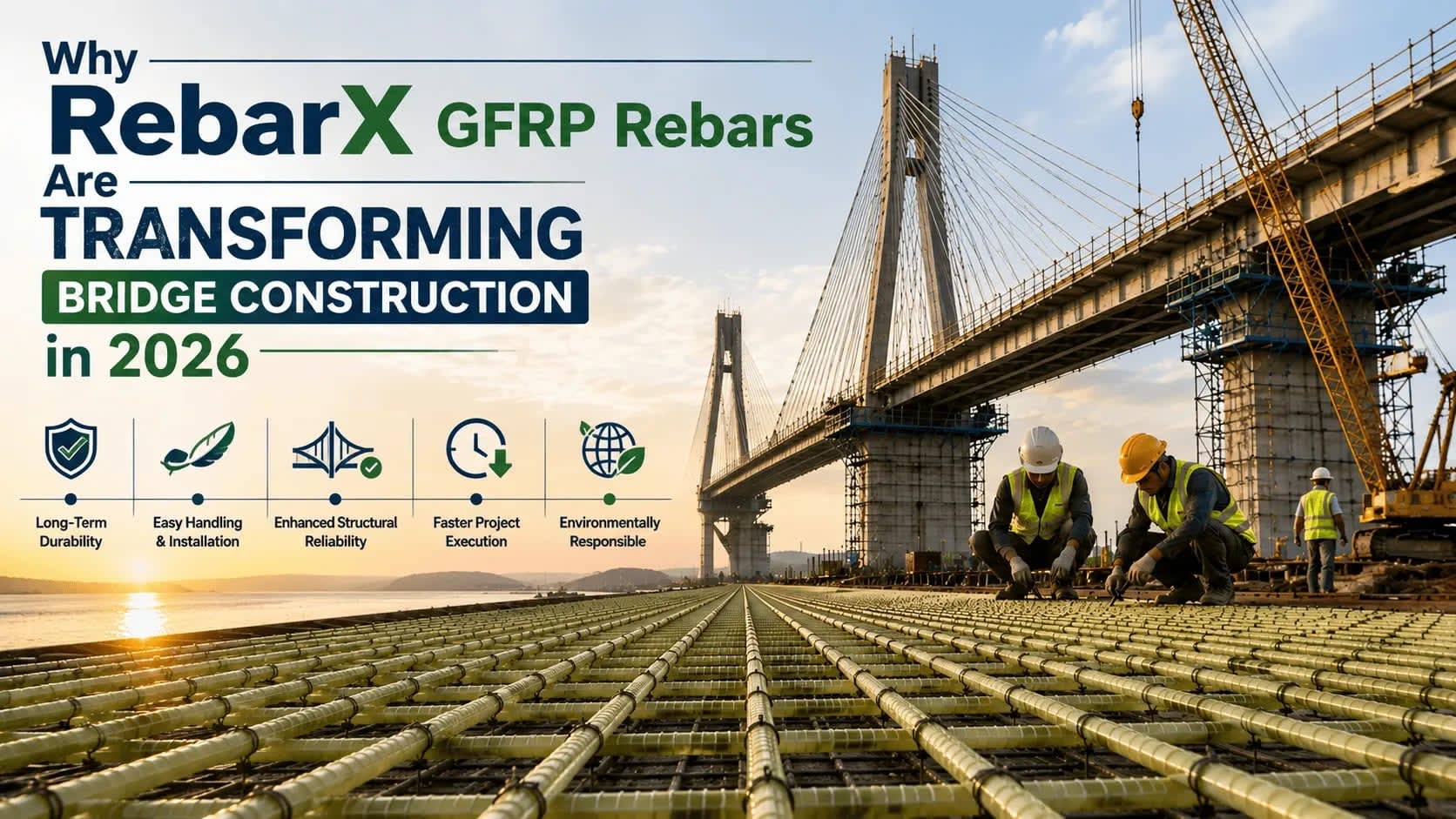
Bridge construction is changing rapidly as engineers focus on building infrastructure that lasts longer with lower maintenance. This raises an important question: Why are GFRP Rebars transforming bridge construction in 2026? The answer lies in their corrosion resistance, high tensile strength, lightweight design, and ability to extend the service life of bridges in challenging environments.
GFRP Rebars are transforming bridge construction in 2026 because they do not corrode like traditional steel reinforcement, are lightweight, offer excellent tensile strength, and reduce long-term maintenance costs. These benefits help engineers build durable, sustainable, and cost-effective bridges for future infrastructure projects.
Why Are More Engineers Using GFRP Rebars for Bridge Construction in 2026?
Bridge structures require reinforcement materials that can withstand changing weather conditions, heavy traffic loads, and long-term exposure to challenging environments. Traditional steel reinforcement may deteriorate over time due to corrosion, leading to increased maintenance requirements and repair costs.
This is why engineers are increasingly selecting GFRP Rebars for bridge construction. Their corrosion-resistant properties help improve structural durability, extend service life, and reduce lifecycle maintenance expenses, making them a reliable reinforcement solution for modern infrastructure projects.
Some of the key advantages include:
- Complete resistance to rust and corrosion.
- Longer structural service life.
- Lightweight for easier handling and installation.
- Lower maintenance and lifecycle costs.
- Excellent durability in coastal and chemical environments.
- Improved long-term value and sustainability.
As governments and infrastructure developers continue investing in durable and sustainable bridges, glass fibre reinforcement bars are becoming a preferred choice for building structures that are designed to perform reliably for decades.
Is GFRP Stronger Than Steel for Bridge Construction?
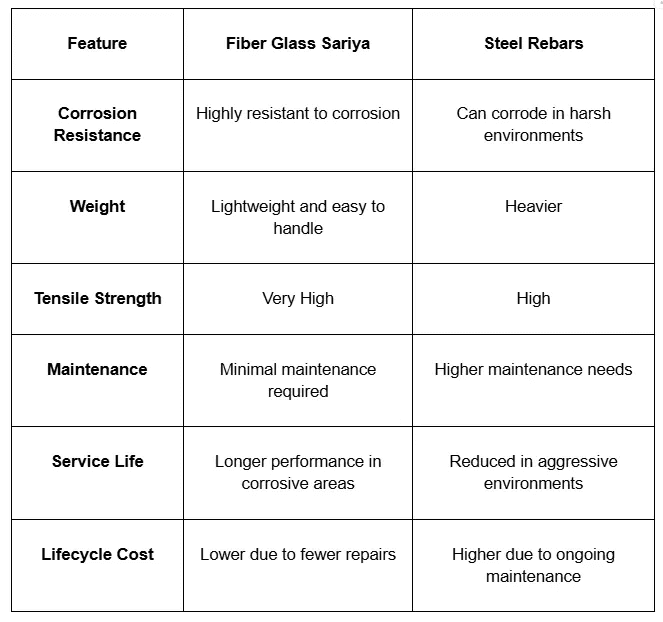
One of the most common questions engineers ask is “is GFRP stronger than steel?” The answer depends on the property being compared. While steel offers higher stiffness,GFRP Rebars provide excellent tensile strength, superior corrosion resistance, and a better strength-to-weight ratio, making it suitable for modern bridge projects.
Unlike traditional reinforcement materials, these high strength reinforcement bars do not rust when exposed to moisture, chemicals, or saltwater. This helps bridges maintain their structural performance for decades while reducing maintenance requirements and repair expenses.
Another advantage of glass fiber reinforced polymer reinforcement is its lightweight design, which makes transportation and installation easier. When considering the complete lifecycle of a structure, reduced maintenance needs and longer durability make it a cost-effective choice for infrastructure projects.
Key Comparison
The growing focus on advanced reinforcement solutions shows how infrastructure developers are moving toward more durable and efficient construction materials. With high strength, lightweight design, easier installation, and long-term performance benefits, fiber glass sariya is helping shape the future of bridge construction.
How Does GFRP Material Improve Bridge Durability?
The quality of reinforcement directly affects the lifespan of any bridge.
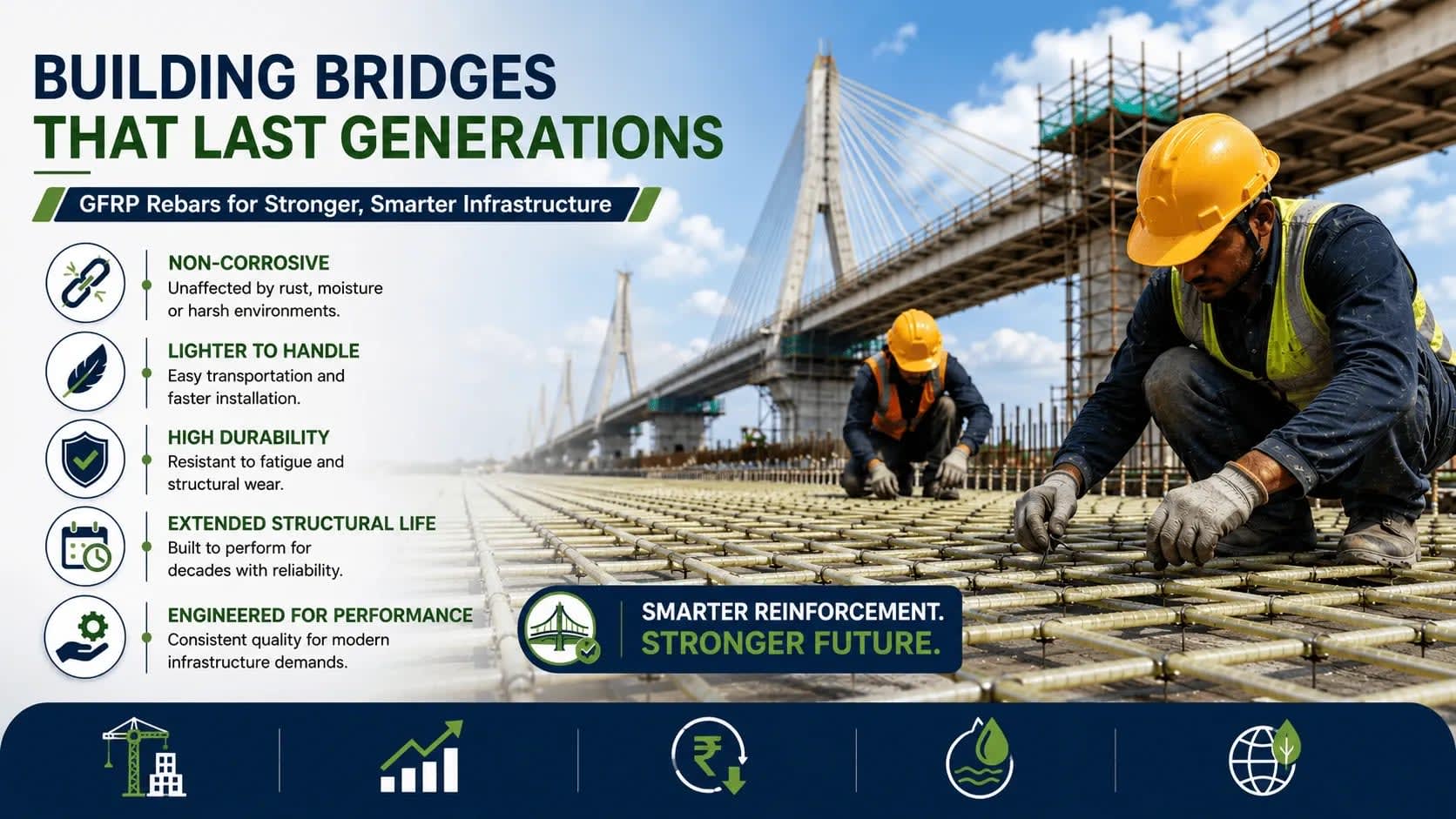
Modern gfrp material provides durability advantages that help bridges achieve longer service life and reliable performance.
These include:
- No corrosion caused by water or de-icing salts.
- High resistance to chemical exposure.
- Excellent fatigue performance under repeated traffic loads.
- Stable performance in harsh climates.
- Reduced structural deterioration over time.
Since bridges are expected to operate safely for many decades, selecting corrosion-resistant reinforcement significantly lowers repair frequency and lifecycle costs.
Why Is Glass Fiber Reinforced Polymer Becoming Popular in Infrastructure Projects?
The growing demand for sustainable infrastructure has increased the adoption of advanced polymer reinforcement across the world.
Unlike conventional reinforcement materials, glass fiber reinforced polymer offers:
- High strength-to-weight ratio.
- Easy transportation and installation.
- Reduced labour effort.
- Better resistance to moisture and environmental degradation.
- Longer structural lifespan.
Infrastructure consultants increasingly recognize that investing in GFRP Rebars today can prevent major repair expenses in the future.
This shift is making high strength reinforcement one of the fastest-growing materials for bridge construction.
How Is RebarX Supporting the Future of Bridge Construction?
Choosing the right reinforcement supplier is equally important as selecting the right material.
RebarX manufactures high-quality GFRP Rebars that meet the performance demands of modern infrastructure projects across India and international markets.
Advanced Manufacturing Standards
RebarX follows strict quality control processes to ensure every reinforcement bar delivers consistent performance.
Key manufacturing benefits include:
- High tensile strength.
- Uniform quality.
- Corrosion-resistant construction.
- Reliable performance under demanding conditions.
Applications in Modern Bridge Projects
RebarX GFRP reinforcement is suitable for various bridge-related applications, including:
- Bridge decks
- Flyovers
- Coastal bridges
These applications demonstrate why infrastructure developers are increasingly considering GFRP reinforcement for long-term bridge performance.
Why Is Glass Fiber Sariya Becoming a Preferred Choice for Future Bridge Construction?
Modern bridge projects require reinforcement solutions that offer durability, efficiency, and long-term performance. Engineers are increasingly exploring advanced materials that can reduce maintenance needs and improve the overall lifespan of infrastructure.
Key advantages include:
- Longer structural service life.
- Reduced maintenance requirements.
- Lower lifecycle costs.
- Better performance in challenging environments.
- Sustainable construction benefits.
As infrastructure development continues to grow, glass fiber sariya is emerging as a reliable reinforcement solution for future-ready bridges. Its lightweight design, high strength, and long-term durability make it a valuable choice for modern bridge construction projects.
Conclusion
Bridge construction in 2026 is moving toward smarter, stronger, and more sustainable reinforcement solutions. GFRP Rebars have become a practical choice because they offer high tensile strength, lightweight installation, and lower maintenance requirements compared to conventional reinforcement.
For engineers, contractors, and infrastructure authorities looking to build bridges that deliver long-term value, RebarX provides reliable reinforcement solutions designed for modern construction challenges. As demand for durable infrastructure continues to rise, advanced reinforcement technologies are helping shape the future of bridge engineering with greater confidence and performance.
FAQs
1. Why are Fiberglass Rebar preferred for bridge construction?Fiberglass Rebar are preferred for bridge construction because they offer high tensile strength, lightweight design, and excellent durability in challenging environments. They help reduce maintenance requirements, improve service life, and provide a reliable reinforcement solution for long-term infrastructure projects.
2. Is GFRP stronger than steel for bridge applications?
GFRP Rebars offer high tensile strength, a lightweight design, and excellent durability, making them an ideal reinforcement solution for bridge construction. Their low maintenance requirements and longer service life help reduce overall lifecycle costs, making them a cost-effective choice for modern infrastructure projects.
3. What makes RebarX GFRP Rebars a reliable choice for bridge construction?
RebarX manufactures high-quality GFRP Rebars using strict quality standards to deliver consistent strength, durability, and reliable performance for infrastructure projects across India and international markets.