
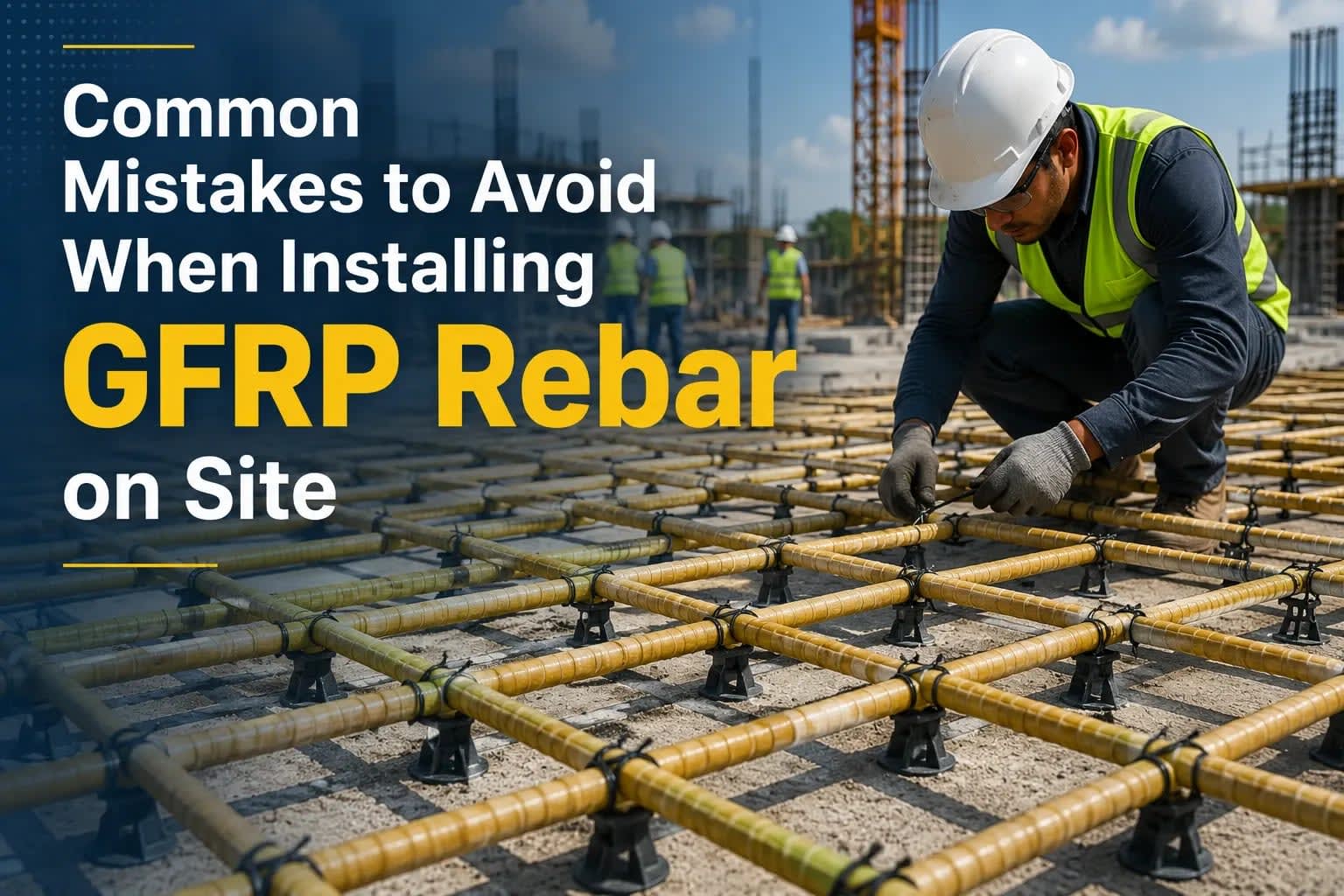
GFRP Rebars are becoming one of the most talked-about innovations in the construction industry, and for good reason. In 2026, engineers, contractors, infrastructure developers, and project owners are increasingly looking beyond traditional reinforcement methods and focusing on solutions that deliver long-term value.
While steel has been the preferred reinforcement material for decades, the industry's priorities are changing. Today durability, lower maintenance requirements, lifecycle performance, and sustainability are influencing construction decisions more than ever before.
So, what is the real reason behind the growing attention toward GFRP rebars? Let's explore the key factors driving this shift.
Reason 1: Corrosion-Free Reinforcement Is Solving a Major Industry Challenge
If there is one issue that continues to impact reinforced concrete structures worldwide, it is corrosion.
Traditional steel reinforcement can rust when exposed to:
- Coastal environments.
- Marine structures.
- High-moisture areas.
- Chemicals and industrial pollutants.
- Water treatment facilities.
Once corrosion begins, it expands inside the concrete, creating cracks and weakening the structure over time.
This is where glass fiber reinforced polymer reinforcement is changing the conversation.
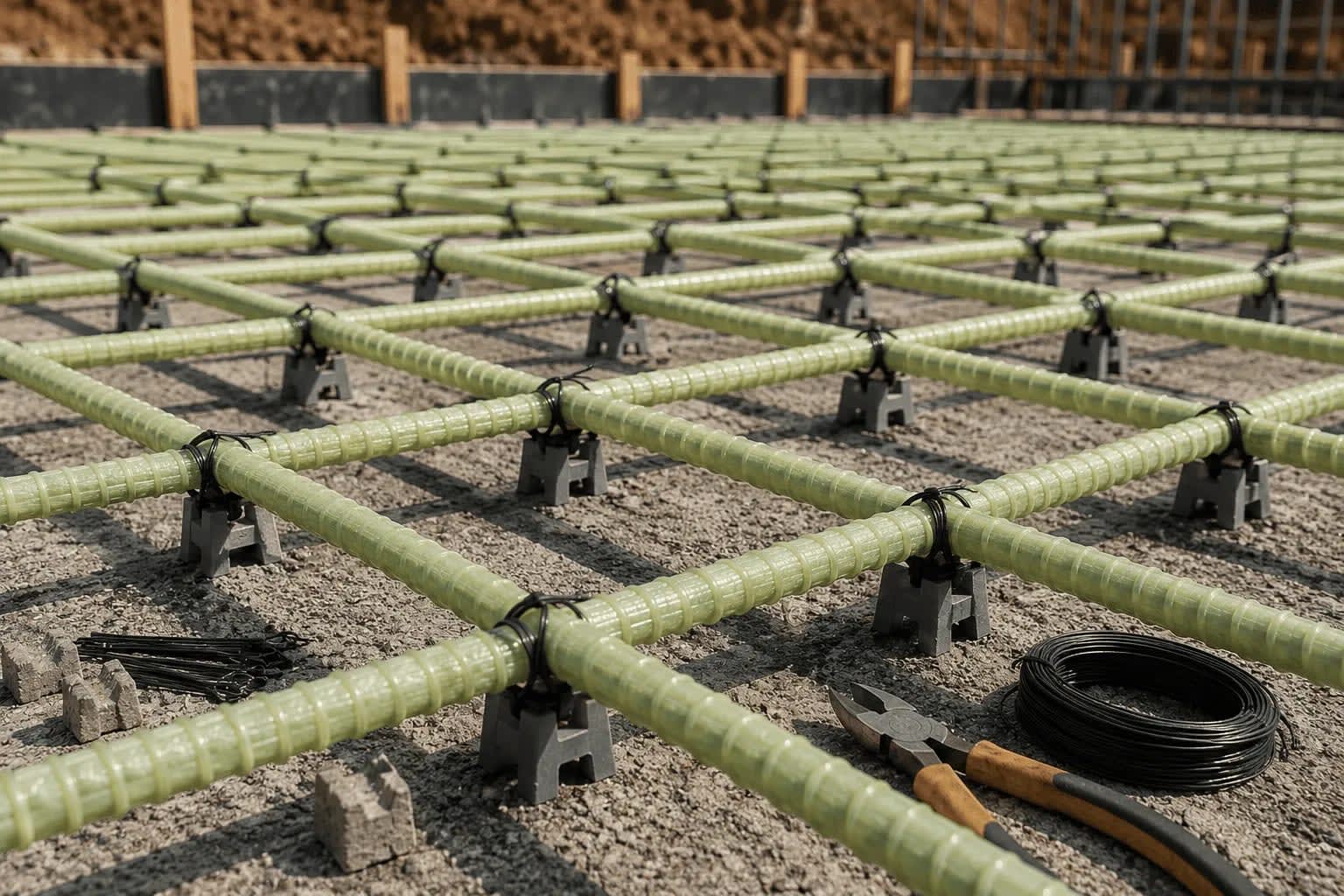
Unlike steel, GFRP rebars do not rust. This corrosion-resistant nature helps protect structures from one of the most common causes of deterioration.
For infrastructure owners, this means:
- Reduced repair requirements.
- Better structural integrity.
- Longer-lasting assets.
- Improved lifecycle value.
The ability to eliminate corrosion concerns is arguably the biggest reason GFRP rebars are gaining widespread attention in 2026.
Reason 2: Infrastructure Owners Are Prioritizing Long-Term Savings
Construction decisions are no longer based solely on upfront costs.
Today, project owners want to know:
- How long will the structure last?
- How often will repairs be needed?
- What will maintenance cost over the next 30–50 years?
This shift toward lifecycle thinking is creating new opportunities for advanced reinforcement materials.
While traditional reinforcement may appear economical initially, maintenance and rehabilitation expenses can become substantial over time.
GFRP rebars help reduce many of these future concerns by offering durability and resistance to environmental damage.
As a result, more organizations are evaluating the long-term financial advantages rather than focusing only on initial project costs.
Reason 3: Lightweight Materials Are Making Construction More Efficient
Construction projects operate under tight deadlines and budgets.
Every improvement in handling and installation can positively impact project productivity.
Compared to conventional steel reinforcement, GFRP rebars are significantly lighter, making them easier to:
- Transport.
- Lift.
- Move around construction sites.
- Install in complex structures.
Why This Matters
- Reduced transportation challenges.
- Faster handling on-site.
- Improved workforce efficiency.
- Simplified installation processes.
For large-scale infrastructure projects, these efficiencies can contribute to smoother project execution and improved productivity.
A Quick Comparison That Explains the Growing Interest
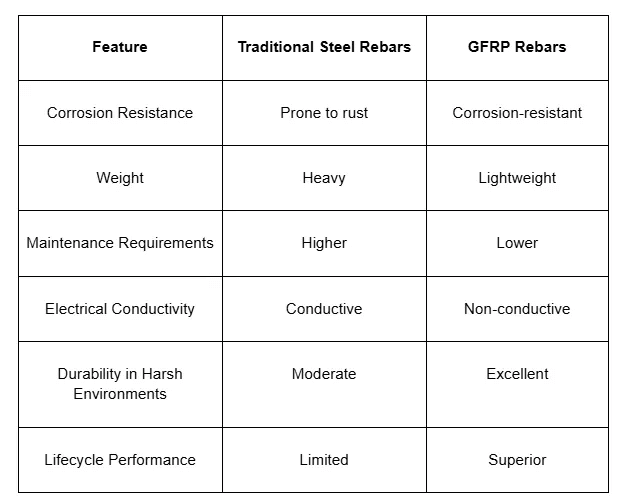
This comparison highlights why more decision-makers are exploring GFRP reinforcement solutions in 2026.
Reason 4: The Demand for Durable Infrastructure Has Never Been Higher
Governments and private developers are investing heavily in infrastructure designed to last for decades.
Projects such as:
- Bridges
- Metro rail systems
- Tunnels
- Airports
- Industrial facilities
must withstand challenging environmental conditions throughout their lifespan.
Because GFRP rebars offer high tensile strength and resistance to corrosion, they are increasingly viewed as a practical solution for structures where durability is a top priority. In fact, many contractors and project stakeholders who are exploring alternatives to traditional reinforcement are now becoming familiar with gfrp sariya as a long-term solution for modern infrastructure projects.
In many ways, the rise of GFRP is directly connected to the growing demand for resilient infrastructure.
Reason 5: Sustainability Is Becoming a Construction Priority
Sustainability is no longer a trend it is becoming a project requirement.
Developers and engineers are seeking materials that contribute to:
- Longer service life.
- Reduced material replacement.
- Lower maintenance activities.
- More sustainable infrastructure planning.
Because GFRP rebars help extend the lifespan of structures and reduce repair-related resource consumption, they align well with modern sustainability objectives.
This makes them particularly attractive for future-focused construction projects.
Can GFRP Rebars Become the Preferred Choice for Future Infrastructure?
The growing adoption of GFRP reinforcement naturally raises an important question.
Why Are Engineers Re-Evaluating Traditional Reinforcement Methods?
Engineering decisions today are increasingly based on performance rather than habit.
Professionals are asking critical questions:
- Will the material perform after decades of exposure?
- How resistant is it to environmental damage?
- Can it reduce long-term maintenance requirements?
As infrastructure expectations continue to rise, engineers are exploring reinforcement options that deliver greater reliability throughout a structure's lifecycle.
What Makes GFRP Rebars Suitable for the Next Generation of Projects?
Several characteristics make GFRP rebars highly relevant for modern infrastructure:
- Corrosion resistance.
- High strength-to-weight ratio.
- Durability in aggressive environments.
- Reduced maintenance requirements.
- Long-term structural performance.
These qualities are helping position GFRP reinforcement as a strong contender for future-ready construction projects.
Why Trust and Manufacturing Quality Matter More Than Ever
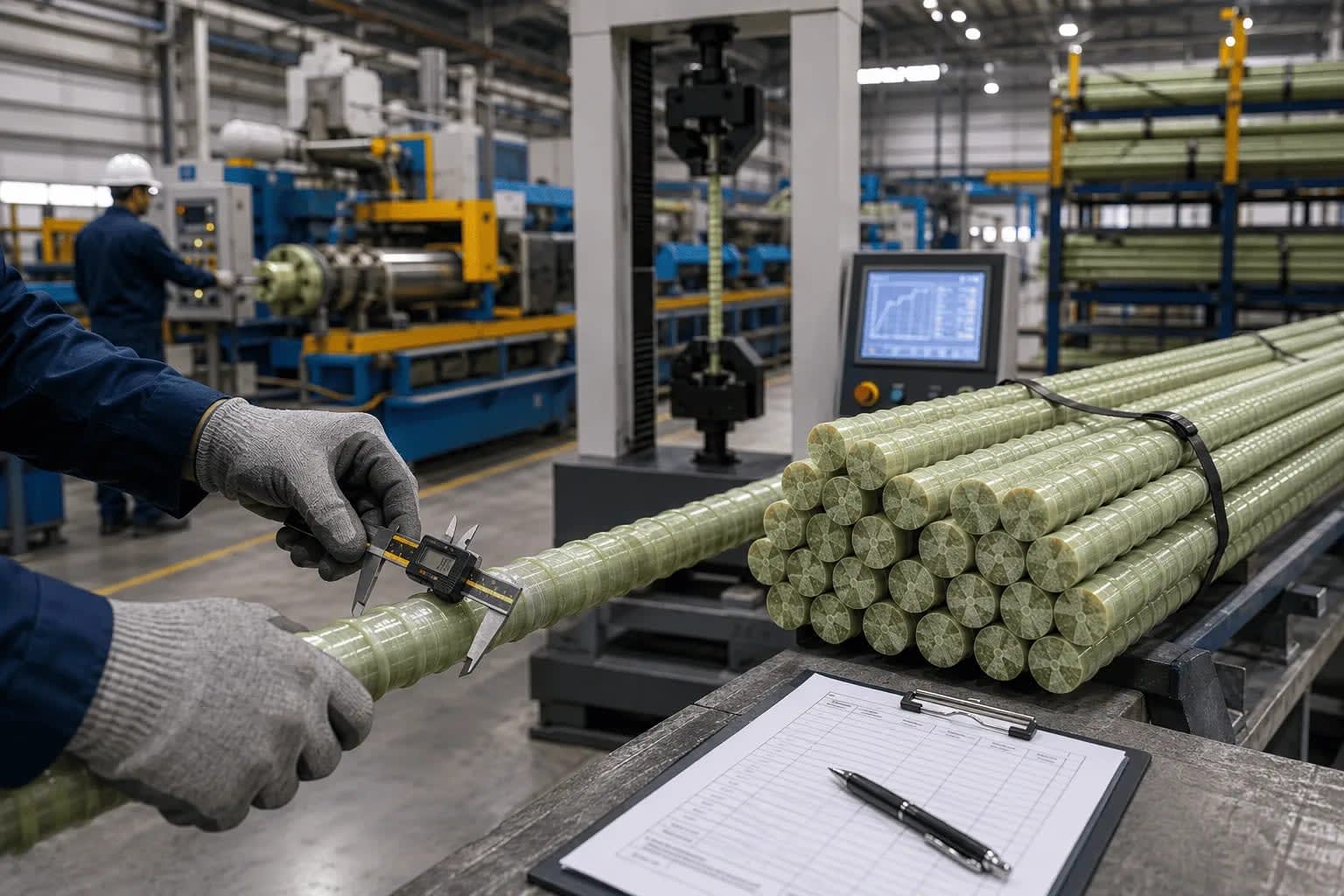
As interest in advanced reinforcement materials grows, selecting the right supplier becomes increasingly important.
Product consistency, quality control, and engineering expertise play a major role in project success.
This is one reason experienced rebar manufacturers in india are receiving greater attention from infrastructure developers seeking dependable reinforcement solutions.
Manufacturers that focus on:
- Quality assurance.
- Product testing.
- Technical support.
- Consistent production standards.
help build confidence among engineers and project stakeholders.
Why RebarX Is Supporting the Shift Toward Modern Reinforcement
As the industry continues moving toward durable and future-ready construction materials, RebarX is helping support this transition through high-performance GFRP reinforcement solutions.
RebarX focuses on:
- Corrosion-resistant reinforcement technology.
- Infrastructure-grade applications.
- High-strength reinforcement solutions.
- Quality-driven manufacturing processes.
- Long-term structural performance.
With increasing demand for reliable and innovative reinforcement materials, RebarX is contributing to the industry's evolution toward smarter and more durable infrastructure.
Conclusion
The growing attention surrounding GFRP rebars in 2026 is not happening by chance. It is being driven by real industry needs corrosion resistance, long-term durability, improved lifecycle value, construction efficiency, and sustainable infrastructure development.
As project owners and engineers continue to prioritize performance over short-term thinking, the adoption of advanced reinforcement materials is expected to accelerate. Organizations looking to build stronger, longer-lasting structures are increasingly recognizing the advantages offered by GFRP technology.
For those evaluating next-generation reinforcement solutions, partnering with trusted rebar manufacturers and choosing proven GFRP products can help ensure infrastructure that performs reliably for decades to come.
FAQs
1. What are the benefits of GFRP rebar? Some of the key benefits of GFRP rebars include:
- Corrosion resistance.
- Lightweight handling.
- High tensile strength.
- Lower maintenance requirements.
- Long service life.
- Non-conductive properties.
2. Why are GFRP rebars gaining attention in 2026?
GFRP rebars are gaining attention because the construction industry is placing greater importance on durability, corrosion resistance, and long-term performance. Project owners are increasingly looking for reinforcement solutions that can reduce maintenance costs and extend the lifespan of structures.
3. Are GFRP rebars better than steel rebars?
The answer depends on the application. However, in environments exposed to moisture, chemicals, or saltwater, GFRP rebars offer a significant advantage because they do not rust. This helps improve durability and reduce future maintenance requirements compared to traditional steel reinforcement.
4. Where are GFRP rebars commonly used?
GFRP rebars are widely used in bridges, coastal infrastructure, marine structures, water treatment plants, tunnels, industrial facilities, and other projects where long-term durability is a major requirement.
5. Why are engineers and contractors switching to GFRP rebars?
Engineers and contractors are increasingly choosing GFRP rebars because they help address common challenges such as corrosion, costly repairs, and lifecycle maintenance. As infrastructure projects focus more on long-term value, GFRP reinforcement is becoming a practical and future-ready solution.