
परिचय
आज के समय में इंफ्रास्ट्रक्चर किसी भी देश की आर्थिक प्रगति और विकास की रीढ़ माना जाता है। बड़े-बड़े ब्रिज, हाईवे, मेट्रो प्रोजेक्ट, इंडस्ट्रियल प्लांट, पार्किंग स्ट्रक्चर और समुद्री संरचनाएं आधुनिक विकास का प्रतीक हैं। लेकिन इन मजबूत दिखने वाले ढांचों के पीछे एक ऐसी समस्या लगातार काम करती रहती है जो धीरे-धीरे पूरे स्ट्रक्चर को कमजोर बना देती है। इस समस्या का नाम है Corrosion यानी जंग लगना।
Corrosion केवल लोहे या स्टील की सतह पर दिखाई देने वाला जंग नहीं है, बल्कि यह इंफ्रास्ट्रक्चर की मजबूती, सुरक्षा और लाइफस्पैन को सीधे प्रभावित करने वाली गंभीर समस्या है। दुनियाभर में कई इंफ्रास्ट्रक्चर फेलियर के पीछे Corrosion एक बड़ा कारण माना जाता है। यही वजह है कि आज निर्माण उद्योग में corrosion-resistant materials की मांग तेजी से बढ़ रही है।
इस ब्लॉग में हम विस्तार से समझेंगे कि Infrastructure Failure के पीछे Corrosion कितना जिम्मेदार है, यह कैसे काम करता है, इसके क्या प्रभाव होते हैं और आधुनिक निर्माण तकनीकों में इससे बचने के लिए कौन-कौन से समाधान अपनाए जा रहे हैं।
Corrosion क्या होता है?
Corrosion एक प्राकृतिक प्रक्रिया है जिसमें धातु वातावरण में मौजूद नमी, ऑक्सीजन, केमिकल्स या नमक के संपर्क में आकर धीरे-धीरे खराब होने लगती है। Construction industry में सबसे अधिक प्रभावित होने वाली धातु स्टील होती है।
जब स्टील में जंग लगना शुरू होता है, तो उसकी मजबूती कम होने लगती है। धीरे-धीरे यह समस्या पूरे स्ट्रक्चर की structural integrity को प्रभावित कर सकती है। शुरुआत में यह नुकसान दिखाई नहीं देता, लेकिन समय के साथ यह बड़े इंफ्रास्ट्रक्चर फेलियर का कारण बन सकता है।
Infrastructure Failure में Corrosion की भूमिका
दुनिया भर में कई ब्रिज, बिल्डिंग और इंडस्ट्रियल स्ट्रक्चर समय से पहले खराब हुए हैं और इनके पीछे मुख्य कारण corrosion पाया गया है। खासकर reinforced concrete structures में corrosion सबसे बड़ी समस्या मानी जाती है।
Concrete के अंदर मौजूद steel reinforcement जब moisture और oxygen के संपर्क में आता है, तो corrosion शुरू हो जाता है। जैसे-जैसे जंग बढ़ती है, स्टील का आकार बढ़ने लगता है जिससे concrete में cracks आने लगते हैं। इसके बाद concrete टूटना शुरू हो जाता है और पूरा स्ट्रक्चर कमजोर पड़ने लगता है।
यही कारण है कि corrosion को “silent destroyer” भी कहा जाता है क्योंकि यह धीरे-धीरे बिना दिखाई दिए इंफ्रास्ट्रक्चर को नुकसान पहुंचाता रहता है।
किन जगहों पर Corrosion सबसे ज्यादा होता है?
कुछ environments ऐसे होते हैं जहां corrosion का खतरा काफी ज्यादा होता है। Coastal areas में मौजूद structures सबसे ज्यादा प्रभावित होते हैं क्योंकि समुद्री हवा में मौजूद salt steel corrosion को तेजी से बढ़ाता है।
इसके अलावा industrial areas में chemical exposure भी corrosion को बढ़ावा देता है। Water treatment plants, bridges, tunnels और parking structures में लगातार moisture exposure होने के कारण corrosion की समस्या आम होती है।
भारत जैसे देशों में जहां मौसम में लगातार बदलाव होते रहते हैं, वहां humidity और pollution भी corrosion को तेज कर सकते हैं।
Bridges और Highways पर Corrosion का प्रभाव
Bridges और highways देश की transportation system की backbone होते हैं। लेकिन इन structures में steel corrosion एक बहुत बड़ी चुनौती है।
जब bridge reinforcement में corrosion शुरू होता है, तो उसकी load-bearing capacity कम होने लगती है। शुरुआत में छोटे cracks दिखाई देते हैं, लेकिन समय के साथ यह cracks बड़े structural damage में बदल सकते हैं।
कई देशों में पुराने bridges को replace या repair करने पर करोड़ों रुपये खर्च किए जाते हैं और इसका मुख्य कारण corrosion-related deterioration होता है।
यही वजह है कि modern bridge construction में corrosion-resistant reinforcement materials का इस्तेमाल तेजी से बढ़ रहा है।
Industrial Infrastructure में Corrosion की समस्या
Industrial plants में corrosion का खतरा और भी ज्यादा होता है क्योंकि वहां chemicals, heat और moisture का exposure लगातार बना रहता है।
Oil and gas industries, chemical plants, cooling towers और water treatment facilities में corrosion equipment failure और safety risks का कारण बन सकता है। कई बार छोटे corrosion damage के कारण बड़े industrial accidents भी हो सकते हैं।
इसीलिए industrial sector में long-lasting and corrosion-resistant materials को प्राथमिकता दी जाती है।
Corrosion से होने वाले आर्थिक नुकसान
Corrosion केवल structural damage तक सीमित नहीं है, बल्कि यह आर्थिक रूप से भी बहुत बड़ा नुकसान पहुंचाता है। दुनियाभर में हर साल अरबों डॉलर infrastructure maintenance और repair पर खर्च किए जाते हैं।
जब किसी structure में corrosion शुरू होता है, तो regular inspection, repair और rehabilitation की जरूरत पड़ती है। कई मामलों में पूरे structure को replace करना पड़ता है, जिससे project cost काफी बढ़ जाती है।
इसके अलावा infrastructure downtime भी आर्थिक नुकसान का कारण बनता है। उदाहरण के लिए यदि कोई bridge repair के लिए बंद किया जाता है, तो transportation और business activities दोनों प्रभावित होते हैं।
Traditional Steel की सीमाएं
स्टील लंबे समय से construction industry का सबसे महत्वपूर्ण reinforcement material रहा है। इसकी strength अच्छी होती है, लेकिन corrosion इसकी सबसे बड़ी कमजोरी है।
Coastal और moisture-prone environments में steel reinforcement जल्दी खराब हो सकता है। कई बार protective coatings का इस्तेमाल किया जाता है, लेकिन समय के साथ coating damage होने पर corrosion फिर शुरू हो जाता है।
यही कारण है कि construction industry अब ऐसे alternatives की तरफ बढ़ रही है जो corrosion-free performance दे सकें।
GFRP Rebars कैसे समाधान बन रहे हैं?
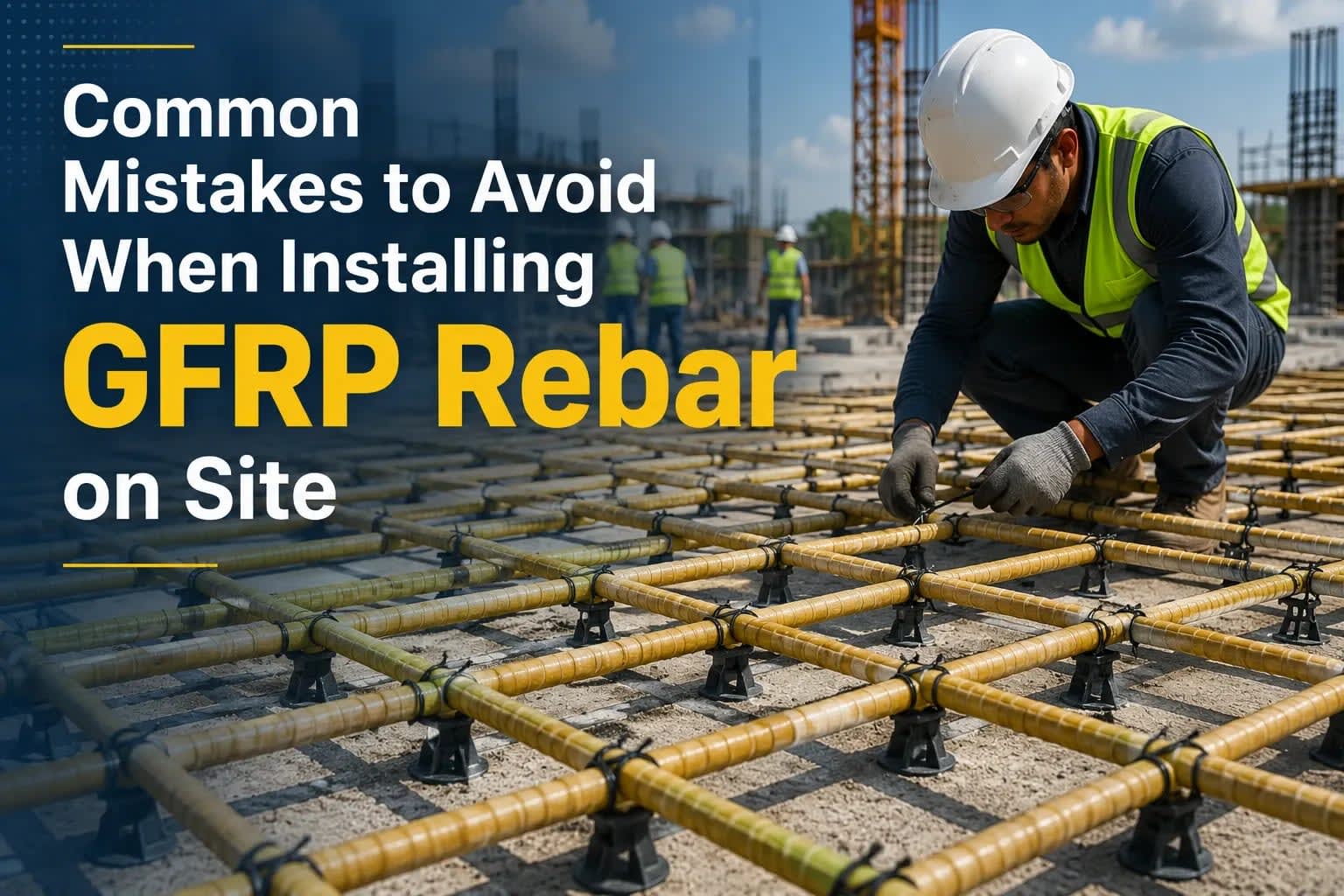
Modern construction industry में GFRP rebars corrosion problem का एक प्रभावी समाधान बनकर उभरे हैं। Glass Fiber Reinforced Polymer यानी GFRP एक ऐसा composite material है जिसमें corrosion की समस्या लगभग नहीं होती।
Traditional steel के विपरीत GFRP rebars पानी, chemicals और salt exposure में भी rust नहीं करते। यही कारण है कि इन्हें bridges, marine structures, tunnels और water treatment projects में तेजी से अपनाया जा रहा है।
हालांकि कई लोगों को शुरुआत में इसकी cost अलग लग सकती है, लेकिन long-term perspective में GFRP rebars maintenance cost को काफी कम कर देते हैं। लंबे समय तक repair की जरूरत न पड़ने के कारण यह बेहतर long-term investment साबित होते हैं।
Sustainable Infrastructure में Corrosion-Free Materials की भूमिका
आज पूरी दुनिया sustainable infrastructure की तरफ बढ़ रही है। ऐसे materials की मांग बढ़ रही है जो structures की lifespan बढ़ा सकें और maintenance requirements को कम कर सकें।
Corrosion-resistant materials infrastructure durability को बेहतर बनाते हैं और बार-बार repair या reconstruction की जरूरत कम करते हैं। इससे environmental impact भी कम होता है।
यही वजह है कि future construction technologies में corrosion-free reinforcement systems की भूमिका और भी महत्वपूर्ण होने वाली है।
Modern Engineering और Corrosion Prevention
आज engineers corrosion prevention के लिए advanced technologies का इस्तेमाल कर रहे हैं। बेहतर concrete design, protective coatings, cathodic protection systems और composite reinforcement materials जैसी technologies infrastructure lifespan बढ़ाने में मदद कर रही हैं।
Digital monitoring systems भी अब corrosion detection में उपयोग किए जा रहे हैं ताकि damage को शुरुआती stage में ही पहचाना जा सके।
इन innovations का उद्देश्य infrastructure safety बढ़ाना और long-term maintenance cost को कम करना है।
भविष्य में Corrosion-Free Infrastructure की जरूरत
जैसे-जैसे urbanization और infrastructure development बढ़ रहे हैं, वैसे-वैसे durable construction materials की जरूरत भी बढ़ती जा रही है। आने वाले समय में smart cities, coastal infrastructure और large transportation networks के लिए corrosion-resistant solutions बेहद जरूरी होंगे।
Construction industry अब केवल initial cost पर नहीं, बल्कि lifecycle performance पर भी ध्यान दे रही है। यही कारण है कि corrosion-free technologies future infrastructure planning का महत्वपूर्ण हिस्सा बनती जा रही हैं।
निष्कर्ष
Infrastructure Failure के पीछे corrosion एक बहुत बड़ा और गंभीर कारण है। यह धीरे-धीरे structures को कमजोर बनाता है और कई बार बड़े structural failures का कारण बन जाता है। Bridges, highways, industrial plants और marine structures जैसे critical infrastructure corrosion से सबसे ज्यादा प्रभावित होते हैं।
Traditional steel reinforcement की limitations को देखते हुए अब construction industry corrosion-resistant alternatives की तरफ तेजी से बढ़ रही है। Modern solutions जैसे GFRP rebars infrastructure durability बढ़ाने और long-term maintenance cost कम करने में महत्वपूर्ण भूमिका निभा रहे हैं।
भविष्य में सुरक्षित, मजबूत और sustainable infrastructure के लिए corrosion control और advanced reinforcement technologies की भूमिका और भी अधिक महत्वपूर्ण होने वाली है।
FAQs
Corrosion क्या होता है?
Corrosion एक प्रक्रिया है जिसमें धातु नमी, ऑक्सीजन या chemicals के संपर्क में आकर धीरे-धीरे खराब होने लगती है।
Infrastructure Failure में corrosion क्यों महत्वपूर्ण है?
Corrosion structures की strength को कम करता है और समय के साथ cracks, damage और structural failure का कारण बन सकता है।
कौन से structures corrosion से सबसे ज्यादा प्रभावित होते हैं?
Bridges, marine structures, water treatment plants, tunnels और industrial facilities corrosion से सबसे ज्यादा प्रभावित होते हैं।
क्या traditional steel corrosion-proof होता है?
नहीं, traditional steel moisture और salt exposure में rust कर सकता है।
GFRP rebars corrosion problem को कैसे कम करते हैं?
GFRP rebars rust नहीं करते और harsh environments में भी लंबे समय तक durable performance प्रदान करते हैं।