
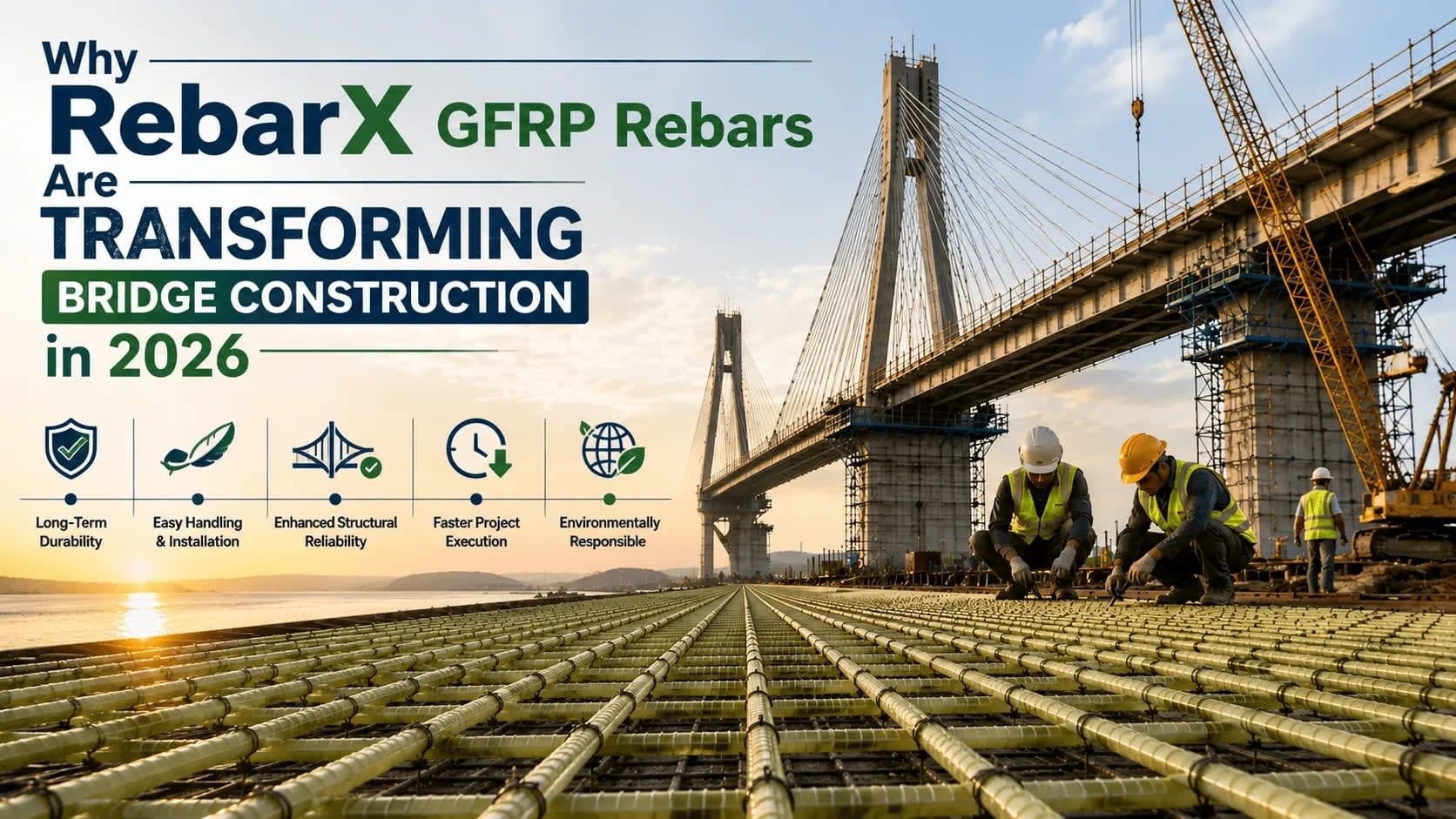
In the rapidly evolving construction industry, GFRP (Glass Fiber Reinforced Polymer) rebars are gaining popularity as a superior alternative to traditional steel reinforcement. They offer corrosion resistance, a high strength-to-weight ratio, and a longer lifespan.
However, not all GFRP rebars are created equal.
Many builders and contractors are tempted to choose low-cost GFRP rebars, assuming they deliver the same performance at a lower price. But this decision can lead to serious long-term consequences—structural failure, higher maintenance costs, and non-compliance with standards.
The key factor behind this difference? Resin quality.
Understanding the Role of Resin in GFRP Rebars
GFRP rebars are made using:
- Glass fibers (for strength)
- Resin (for binding and protection)
While fibers provide tensile strength, resin acts as the backbone that:
- Bonds fibers together
- Protects against chemicals and moisture
- Ensures durability in harsh environments
If the resin quality is compromised, the entire structure becomes vulnerable.
BIS Standards: Why Polyester Resin is Not Allowed
As per Indian construction standards (BIS guidelines), polyester resin is not recommended for structural GFRP rebars.
Why Polyester Resin Fails:
- Lower chemical resistance
- Poor durability in alkaline environments (like concrete)
- Higher chances of degradation over time
- Reduced bond strength with fibers
Recommended Alternative: Epoxy Resin
BIS standards emphasize the use of epoxy resin in GFRP rebars because it offers:
- Superior chemical resistance
- Excellent bonding with glass fibers
- High durability in concrete structures
- Long-term structural stability
Simply put, Epoxy resin ensures performance, polyester compromises it.
The Hidden Cost of Cheap GFRP Rebars
At first glance, cheaper rebars may seem like a cost-saving decision. But in reality, they often lead to higher lifetime expenses.
1. Reduced Lifespan
Low-quality resin degrades faster, leading to early failure of reinforcement.
2. Structural Risks
Weak bonding can result in:
- Cracks in concrete
- Reduced load-bearing capacity
- Safety hazards
3. Maintenance & Repair Costs
Frequent repairs can quickly exceed the initial savings.
4. Non-Compliance Issues
Using substandard materials may violate BIS norms, leading to:
- Project delays
- Legal complications
Why Premium GFRP Rebars Cost More (And Why It’s Worth It)
There’s a common misconception that higher prices mean higher profit margins. In reality:
Premium pricing reflects better material quality—not extra profit.
What You’re Paying For:
- High-grade epoxy resin
- Advanced manufacturing processes
- Strict quality testing
- Compliance with BIS standards
- Longer service life
Think of it as an investment: Spend slightly more today to avoid major losses tomorrow.
How to Identify High-Quality GFRP Rebars
Before purchasing, ensure your supplier meets these criteria:
- Uses epoxy resin (not polyester)
- Provides test certifications
- Complies with BIS standards
- Demonstrates chemical resistance performance
- Has proven project experience
You can even conduct basic durability tests (like chemical exposure tests) to verify quality.
Real-World Insight: Quality Testing Matters
In practical scenarios, low-quality GFRP rebars show visible degradation when exposed to harsh environments such as alkaline or chemical solutions.
On the other hand, epoxy-based GFRP rebars maintain their integrity, proving their reliability for long-term construction.
Conclusion
Choosing cheap GFRP rebars may look like a smart financial decision—but it often leads to higher costs, safety risks, and compliance issues.
The difference lies in one critical factor: resin quality.
- Polyester resin = Short-term savings, long-term problems
- Epoxy resin = Higher initial cost, long-term durability
When it comes to construction, quality is not an expense—it’s protection.
FAQs
1. Why is polyester resin not allowed in GFRP rebars?
Polyester resin has lower durability and poor resistance to alkaline environments, making it unsuitable for long-term structural use as per BIS standards.
2. What makes epoxy resin better for construction?
Epoxy resin offers superior bonding, chemical resistance, and durability, ensuring a longer lifespan of GFRP rebars.
3. Are expensive GFRP rebars overpriced?
No. Higher prices usually reflect better raw materials (like epoxy resin) and strict quality standards—not extra profit margins.
4. Can cheap GFRP rebars cause structural damage?
Yes. Poor resin quality can lead to degradation, cracks, and reduced structural strength over time.
5. How can I verify the quality of GFRP rebars?
Check for BIS compliance, resin type (epoxy), certifications, and test reports from the manufacturer.